
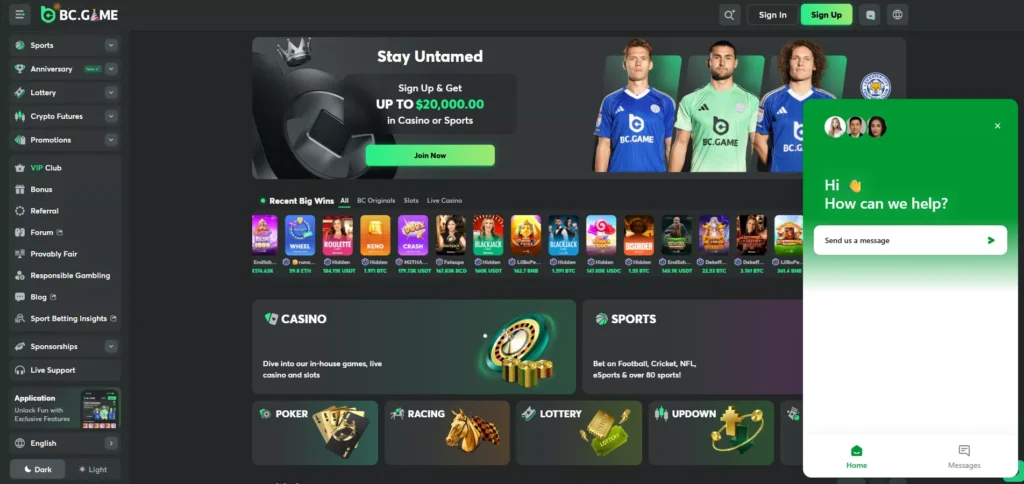
BC Game Bangladesh supports several payment methods for players who want to deposit funds and manage withdrawals. In this market, users often compare options based on processing speed, availability, and the steps required for verification. If you are looking for a starting point, you can review official information at bc game bangladesh to understand current service details. Many players also check local guidance from https://bcgames-bd.com/ before choosing a method. Payment availability can change over time, so it is important to confirm the options shown in the platform interface before you submit a transaction. Using consistent personal details across registration and payments can also reduce delays.
Overview of Deposit and Withdrawal Options
Payment methods generally fall into deposits, withdrawals, and internal account transfers. Deposits are used to add funds for betting, while withdrawals are used to move available balances back to the user. The platform may present different choices depending on the user’s location and account status. Some methods can be available immediately, while others may require identity checks first. Withdrawal processing can also vary by method, with some payments handled faster than others. Reviewing the available options inside the account dashboard helps ensure the correct workflow.
Common Deposit Channels
Most players use deposit methods that are convenient and widely supported in Bangladesh. Depending on the platform settings, users may see options such as bank-related transfers, card payments, and e-wallet services. Each option has its own minimum and maximum limits, which can affect how much you can add in a single transaction. Some payment channels may require a one-time confirmation or a short verification step. Before depositing, it is usually helpful to check the payment amount, currency display, and any listed fees. Doing this reduces the chance of failed payments caused by mismatched details.
Withdrawal Channels and Processing Time
Withdrawals typically use the same payment rails as deposits, but not always in every case. Many platforms process withdrawals through bank transfers, card refunds, or e-wallet transfers where supported. Processing time can depend on network conditions and the platform’s internal review schedule. Identity verification may be required before the first withdrawal or before certain higher amounts. Users should ensure that their withdrawal details match what was used during account creation. Keeping records of transaction IDs can help when contacting support for clarification.
Card Payments and Bank Transfer Methods
Card payments are often used for deposits because they can be completed quickly when the card supports online transactions. Bank transfer methods can be suitable for users who prefer direct transfers and documented payment trails. In practice, the platform may display step-by-step instructions for each method, including how to enter reference details. Users should avoid sending payments from a different account name than the one registered on the platform. If the platform requires a verification document, submitting it early can improve the overall timeline. For any bank-related method, double-checking the bank information shown in the interface helps prevent mismatches.
How Card Deposits Typically Work
Card deposit processes usually require selecting a card payment option and entering the amount. The platform may then redirect to a secure payment page for card details and confirmation. After approval, the deposited funds should appear in the account balance if the transaction is successful. Some users may experience delays if the bank requires extra authentication. It is also common for card providers to perform risk checks that can pause transactions temporarily. If a deposit fails, the user should verify the card status and try again only after confirming the previous attempt has ended.
Bank Transfer Workflow and Reference Details
For bank transfers, users typically receive instructions including beneficiary information and a reference field. The reference or transaction note is important because it helps match the payment to the account. Users should follow the exact amount and reference format provided on the deposit screen. Transfers may take longer than card payments due to banking operations and intermediary processing. If the platform includes a manual review step, processing can take additional time. Submitting correct identification details and keeping proof of payment can support faster resolution if there is a discrepancy.
E-Wallets and Mobile Payment Services
E-wallet services are widely used because they can reduce the number of steps required to complete transactions. In Bangladesh, mobile payment options may be presented in the platform as selectable deposit and withdrawal methods. Users may need to confirm their phone number or account identity before using these methods. The platform interface usually shows the supported wallets at the time of the transaction. Users should also check whether the e-wallet supports international or online transfers, depending on the service design. When withdrawals are available through e-wallets, processing speed can be affected by the wallet provider’s internal rules.
Selecting the Right Wallet in the Platform
Choosing the correct e-wallet option matters because each wallet has its own login, confirmation, and transfer rules. The platform may ask for the e-wallet identifier or trigger a redirect flow to complete payment confirmation. Users should ensure that the wallet account belongs to the same person registered on the gaming account. Any mismatch can lead to rejected withdrawals or delays in verification. It is also important to confirm the amount again before finalizing, especially if there are minimum deposit thresholds. After the transaction, the user can review the account history to confirm the status.
Common Limits and Transaction Notes
E-wallet methods often have limits that can affect both deposits and withdrawals. Limits may be displayed in the platform, including minimum amounts and maximum per transaction or per day. Fees can also vary by method, and some services may charge a processing cost on top of the deposit amount. Users should check how fees are handled so they know the expected balance after the payment completes. If the platform provides a transaction note field, entering it correctly can help with matching. In case of an issue, saving screenshots of the payment confirmation can be useful for support.
Cryptocurrency and Alternative Funding Methods
Some gaming platforms also provide cryptocurrency options for deposits and withdrawals, depending on regional policy and current availability. When crypto is supported, transactions are typically handled through wallet addresses and network selections. Users must select the correct blockchain network because using the wrong network can lead to lost or delayed funds. The platform may display a wallet address and a network name for each supported coin. It is important to confirm that the network fee shown by the platform aligns with what you expect to pay. After sending funds, users can track confirmations to see when the deposit is credited.
Network Selection and Confirmation Requirements
Crypto deposits often require a specific network, such as a particular chain associated with a token. Users should check the deposit screen for the exact network name and token type. Sending funds on a different network can cause the transaction to fail or become unrecoverable. Confirmation requirements may also differ by coin, which can affect how quickly the deposit is credited. The platform may show an estimated confirmation threshold, and the user should wait until it is reached. For withdrawals, the platform may require additional internal checks to protect account security.
Security Checks for Alternative Methods
Alternative methods can include additional security steps designed to reduce fraud and errors. The platform may require identity verification, especially for larger withdrawals. Users should enable any available security controls on their account, such as password protection and two-factor authentication if offered. It is also a good practice to verify wallet addresses carefully before submitting a transaction. Using copy-paste from a trusted source can reduce mistakes, but users should still confirm the full address in the payment screen. Keeping an eye on account notifications can help identify suspicious activity early.
Payment Limits, Verification, and Troubleshooting Steps
Payment methods are not only about convenience; they also depend on account verification and transaction rules. Platforms often require users to complete identity checks before processing withdrawals. Verification helps ensure compliance with local regulations and reduces the risk of unauthorized transactions. Users may also face limits based on account level, deposit history, or risk scoring. If a transaction does not complete, the platform may show a status such as pending or failed in the account ledger. Reviewing these status details can guide what to do next. In many cases, support can request transaction IDs, screenshots, and proof of payment to investigate.
Understanding Minimums, Maximums, and Fees
Minimum and maximum amounts vary by payment method and can change according to platform policy. Card payments can have different constraints than bank transfers or e-wallet services. Fees may be included in the deposit calculation or shown separately depending on the payment channel. Users should confirm how fees affect the final credited amount. Some methods may also have daily limits, which can influence how players plan their funding. Checking the limits before initiating a deposit can prevent repeated failed attempts and delays.
Practical Steps When a Payment Fails
If a deposit or withdrawal fails, it is important to follow a structured approach. First, check the payment status in the account transaction history to confirm what the platform recorded. Next, verify that the payment details you entered match the instructions shown in the payment screen. If you used a bank transfer or crypto, confirm the reference field or transaction network selection. Then, review your payment provider notifications to see if the transaction was declined or reversed. If the issue continues, gather the transaction ID and relevant screenshots before contacting support. The following checklist can help you organize information quickly:
- Transaction ID from the payment provider or the platform ledger
- Screenshot of the deposit or withdrawal confirmation page
- Amount, date, and payment method used
- Reference or memo details for bank transfers
- Network and token details for crypto transactions
Choosing the Best Payment Method for Your Needs
Selecting a payment method depends on how you prefer to fund your account and how quickly you need access to balances. Some users prioritize speed and choose card payments or e-wallets when available. Others prefer bank transfers for documentation and predictable workflows. The most suitable method is often the one that is consistently available for your account and matches your verification status. It can also help to consider transaction history, since certain methods may perform better based on previous experiences. Before committing to a larger transaction, testing with a smaller deposit can confirm that the method works correctly. Keeping your account details up to date helps ensure that withdrawals remain smooth.
Comparing Speed and Convenience
Speed is usually influenced by the payment channel and the provider’s processing schedule. Card deposits can be fast when authentication is not required, while bank transfers may take longer. E-wallet processing can be quick, but it depends on the wallet provider’s internal checks. Withdrawal speed can also vary, especially if identity verification is incomplete. If you frequently deposit and withdraw, choosing a method that supports both actions can reduce friction. Always confirm processing estimates on the payment screen before completing the transaction. This helps you align your expectations with actual credit times.
Staying Compliant and Keeping Account Details Accurate
Compliance requirements can affect how payment methods are used in practice. Identity verification may be requested before withdrawals, and the platform may require documents that match your registration details. Users should also ensure that contact information, such as phone number and email, remains current. For payment methods that require account identifiers, the provided details should match the name and credentials on file. If a platform offers multiple methods, using the same verified channel can simplify troubleshooting. By keeping payment details accurate and completing verification early, you can reduce the likelihood of interruptions. This approach supports more consistent deposit and withdrawal experiences over time.